Master the Art of Irresistible and Compelling Email Subject Lines
Master the Art of Irresistible and Compelling Email Subject Lines
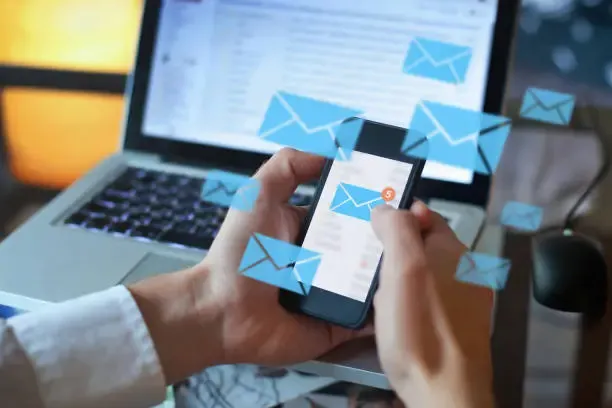
Most people underestimate the impact of a subject line, but it’s the single most powerful lever in your email marketing strategy. In an inbox teeming with messages, your subject line isn't just a preview; it's your only shot at a first impression, the gatekeeper to your valuable content.
Email marketing remains a cornerstone of digital strategy, but the landscape is constantly evolving. Now is the perfect time to share this post on mastering email subject lines because:
- Declining open rates and increased competition are making it harder to stand out. Your audience is bombarded with messages, and the signal-to-noise ratio is at an all-time high.
- The rise of AI-generated content means human creativity is more valuable than ever. While AI can draft subject lines, the nuance, emotion, and genuine connection that truly compel an open still require a human touch.
- Evolving privacy regulations demand honest, value-driven communication to build trust. Misleading or overly clickbait subject lines are not only ineffective but can harm your sender reputation and erode subscriber loyalty.
- In a challenging economic climate, maximizing ROI through improved engagement is critical. Every opened email is a step closer to a conversion, and that journey begins with the subject line.
- The skill of writing compelling subject lines is timeless and perpetually relevant for anyone involved in digital marketing, sales, or communications. It’s a foundational skill that will continue to yield dividends regardless of technological shifts.
This comprehensive guide is for anyone who does email marketing—including email marketers at small businesses, founders, business owners, marketing teams at larger companies, solopreneurs, freelancers, e-commerce managers, and nonprofit communicators. Prepare to transform your email performance and unlock the true potential of your campaigns.
Why Subject Lines Matter More Than You Think
Imagine painstakingly crafting an incredible email — an irresistible offer, a deeply insightful article, a critical update. Now imagine it never gets seen. That's the brutal reality if your subject line fails to do its job.
Your subject line isn't just a label; it's the ultimate gatekeeper. It's the sole determinant of whether your carefully constructed message gets a chance to shine or languishes unread in the digital graveyard of an overflowing inbox. In a world where attention is the most valuable currency, a powerful subject line is your direct line to earning it. It influences open rates, click-through rates, conversions, and even your sender reputation over time. Underestimate it at your peril.
The Psychology Behind What Makes an Email Subject Line Irresistible
Crafting compelling email subject lines isn't just about clever words; it's about understanding the human mind. The most irresistible subject lines tap into fundamental psychological triggers:
- Curiosity Gap: We are hardwired to close information gaps. Subject lines that hint at a secret, a surprising fact, or an unanswered question ("You won't believe what happened next...") compel opens.
- Urgency and Scarcity: The fear of missing out (FOMO) is a potent motivator. Phrases indicating limited time or limited availability ("Last Chance!", "Only 3 Spots Left!") create a sense of immediacy.
- Personalization: Addressing the recipient by name or referencing their specific interests immediately makes the email feel more relevant and less like mass communication.
- Self-Interest/Benefit: People are inherently selfish (in a good way!). They want to know "What's in it for me?" Highlight the direct benefit or solution your email offers ("Boost Your Sales by 20%", "Finally, Beat Procrastination").
- Emotion: Humans make decisions based on emotion, then justify them with logic. Subject lines that evoke joy, fear, excitement, surprise, or even a touch of vulnerability can be incredibly effective.
- Social Proof: We are influenced by what others do or approve of. Mentioning testimonials, popularity, or celebrity endorsement can lend credibility and encourage opens ("Join 10,000 Happy Customers").
- Intrigue/Mystery: A well-placed enigma can be more powerful than explicit detail. Sometimes, less is more, especially when it sparks imagination and begs for a click.
By strategically weaving these psychological principles into your compelling subject lines, you move beyond mere descriptions to create messages that resonate on a deeper level, compelling action.
Common Mistakes Brands Make with Subject Lines
Even the most well-intentioned marketers fall prey to common subject line pitfalls. Avoiding these can significantly elevate your open rates and overall email campaign performance.
- Being Too Generic or Vague: "Newsletter Update" or "Important Information" tells the recipient nothing and offers no incentive to open. Be specific and hint at the value inside.
- Using ALL CAPS (Excessively): While occasionally effective for a single word to convey urgency, using all caps throughout your subject line screams "spam" and can trigger spam filters or irritate recipients.
- Too Many Emojis: A tasteful emoji can add personality and stand out, but an overuse of emojis makes your email look unprofessional and can again, trigger spam filters.
- Misleading Subject Lines: This is a cardinal sin. If your subject line promises one thing but your email delivers another, you'll instantly erode trust, increase unsubscribes, and damage your sender reputation. Authenticity is paramount.
- Length Issues (Too Long or Too Short): Subject lines that are too long get truncated on mobile devices, obscuring your message. Those that are too short might not convey enough information. Aim for a sweet spot, generally 40-60 characters.
- Ignoring Personalization: Sending a generic subject line when you have the data to personalize is a missed opportunity.
- Lack of Urgency/Benefit: If there's no clear reason for the recipient to open now or what they will gain, your email will likely be ignored.
- Focusing on "We" Instead of "You": Many brands focus on what they are doing ("Our New Product Launch!") instead of what the recipient will gain ("Discover the Product That Will Revolutionize Your Workflow"). Shift the focus to the reader.
By consciously avoiding these common errors, you set your compelling email subject lines up for success.
My Favorite Formulas for Crafting Compelling Email Subject Lines
Here are some tried-and-true formulas that consistently yield compelling subject lines for email marketing:
- The Benefit-Driven Formula: Focus on the "what's in it for them."
[Problem] Solved: [Benefit/Solution]- Examples: "Tired of Low Open Rates? Boost Engagement with These Subject Line Hacks," "Beat Procrastination: Your Guide to Unstoppable Productivity"
- The Curiosity-Driven Formula: Hint at something intriguing without giving it all away.
[Question] You Haven't Asked Yet...[Number] Things You Didn't Know About [Topic]- Examples: "The One Email Mistake You're Still Making," "7 Secrets to Irresistible Subject Lines (You're Missing Out On)"
- The Urgency/Scarcity Formula: Create a sense of immediate action.
Last Chance: [Offer/Event] Ends [Date/Time][Number] Spots Left for [Exclusive Opportunity]- Examples: "Flash Sale Ends Tonight: 50% Off All Courses!" "Only 24 Hours Left to Claim Your Free Guide"
- The Personalization Formula: Leverage subscriber data to make it relevant.
[Name], Your [Interest] Update Is Here!A Special Offer Just For You, [Name]- Examples: "Sarah, Your Weekly Digital Marketing Insights," "Hey Alex, We Found the Perfect Read For You"
- The Number/Listicle Formula: Easy to digest and promises clear takeaways.
[Number] Ways to [Achieve Desired Outcome][Number] Tips for [Specific Task]- Examples: "10 Proven Strategies for Higher Email Opens," "5 Mistakes to Avoid When Writing Subject Lines"
- The Question Formula: Directly engage the reader and prompt thought.
Are You Making This [Common Mistake]?Ready to [Achieve Goal]?- Examples: "Is Your Email Marketing Falling Flat?" "Ready to Write Subject Lines That Convert?"
- The Command/Action Formula: Direct and concise, telling the reader what to do.
Discover [Benefit/Solution]Unlock Your [Potential]- Examples: "Download Your Free Guide to Email Marketing Success," "Learn How to Write Killer Subject Lines"
- The Social Proof Formula: Leverage the influence of others.
Join [Number] Others Who Are [Achieving Outcome]See Why Everyone's Talking About [Product/Service]- Examples: "Join 50,000 Marketers: Our Latest Newsletter," "The Product Everyone's Raving About Is Back In Stock"
Experiment with these formulas, combine elements, and adapt them to your unique brand voice and audience. The key is to never stop testing!
How to A/B Test and Measure Your Subject Line’s Effectiveness
A/B testing is not a suggestion; it's a non-negotiable component of mastering compelling subject lines. Without it, you're guessing. With it, you're learning, adapting, and optimizing for real-world performance.
What is A/B Testing? Also known as split testing, A/B testing involves sending two different versions of your subject line (A and B) to a small, random segment of your audience. The version that performs better (based on open rates, click-through rates, or even conversions) is then sent to the remaining, larger portion of your audience.
Key Metrics to Measure:
- Open Rate (OR): The percentage of recipients who opened your email. This is the primary indicator of subject line effectiveness.
- Click-Through Rate (CTR): The percentage of recipients who clicked on a link within your email. While not solely a subject line metric, a higher CTR often correlates with a more engaging subject line that accurately set expectations.
- Conversion Rate: The percentage of recipients who completed a desired action (e.g., made a purchase, filled out a form). The ultimate goal, and influenced by every stage of the email, including the subject line.
- Unsubscribe Rate: A spike in unsubscribes might indicate misleading or annoying subject lines.
- Spam Complaint Rate: High complaints are a red flag for problematic subject lines or content.
How to Conduct an Effective A/B Test:
- Define Your Hypothesis: What do you expect to happen? (e.g., "A subject line with an emoji will perform better than one without.")
- Isolate One Variable: Test only one element at a time (e.g., just the emoji, just the personalization, just the length, just a different word choice). Testing multiple changes simultaneously makes it impossible to determine which change caused the difference.
- Create Your Variants: Craft two (or more, for A/B/n testing) distinct subject lines based on your hypothesis.
- Determine Your Sample Size: Send to a statistically significant portion of your list (e.g., 10-20% split between A and B, or as recommended by your ESP).
- Set Your Duration: Allow enough time for a clear winner to emerge, but not so long that the email loses its relevance. Many ESPs have built-in A/B testing features that automatically declare a winner after a set time or opens.
- Analyze Results: Compare the key metrics. If the difference is statistically significant, declare a winner.
- Implement and Learn: Send the winning subject line to the rest of your audience. Crucially, document your findings! What did you learn about your audience's preferences? This knowledge informs future subject lines.
Consistent A/B testing is the only way to truly understand what resonates with your specific audience and continuously improve your compelling email subject lines.
Tips for Crafting Compelling Subject Lines
Beyond formulas and testing, here are actionable tips to ensure your compelling subject lines hit their mark:
- Keep it Concise: On mobile, subject lines often truncate after 30-50 characters. Aim for clarity and impact within this range. Get straight to the point.
- Front-Load Important Information: Put the most critical words at the beginning, as they are most likely to be seen.
- Personalize (Where Possible): Beyond just names, use data like past purchases, Browse history, or location to make the subject line hyper-relevant.
- Use Action-Oriented Verbs: Start with strong verbs that encourage action: "Discover," "Unlock," "Learn," "Get," "Save," "Boost."
- Inject Your Brand Voice: Whether you're witty, serious, playful, or formal, your subject line should reflect your brand's personality. This helps build recognition.
- Create a Sense of Urgency or Scarcity (Authentically): Phrases like "Limited Time Offer," "Don't Miss Out," or "Ends Soon" can work if they are genuine. Don't cry wolf too often.
- Ask a Question: Questions engage the reader immediately and make them curious for the answer.
- Use Emojis Thoughtfully: A single, relevant emoji can increase open rates and stand out in a crowded inbox. However, too many or irrelevant emojis can look unprofessional or spammy. Test them!
- Avoid Spam Triggers: Steer clear of excessive capitalization, multiple exclamation points, generic sales phrases ("Free!"), and certain keywords that common spam filters flag.
- Preview Your Subject Line: Always send a test email to yourself and view it on different devices (desktop, mobile) and email clients (Gmail, Outlook) to ensure it displays correctly.
- Align with Email Content: Your subject line sets an expectation. Ensure the email's content delivers on that promise. Misleading subject lines lead to high bounce rates and unsubscribes.
- Test, Test, Test: This cannot be stressed enough. What works for one audience or industry may not work for another. Continuous A/B testing is the only way to truly optimize.
By diligently applying these tips, you'll move from merely writing subject lines to crafting truly compelling subject lines that consistently drive engagement.
Understanding Your Target Audience: Key Factors to Consider
The most effective compelling email subject lines are not one-size-fits-all. They are meticulously tailored to the specific individuals receiving them. To truly master this art, you must deeply understand your target audience.
Key Factors to Consider About Your Audience:
- Demographics:
- Age: Younger audiences might respond to emojis and more informal language; older audiences might prefer professional and clear messaging.
- Gender: While generalizations should be avoided, some research suggests certain language or emotional appeals might resonate differently.
- Location: Time zones are critical for timing sends, and localized references can increase relevance.
- Income Level/Profession: Are you speaking to corporate executives, small business owners, or students? Their priorities and pain points will differ.
- Psychographics:
- Pain Points: What problems do they face that your product or service solves? Address these directly in your subject line.
- Desires & Aspirations: What are their goals? How can your offering help them achieve their dreams?
- Values: Do they value saving money, convenience, status, ethical consumption, innovation, or community? Align your subject lines with their core values.
- Interests: What topics are they passionate about? Use their interests to spark curiosity.
- Level of Knowledge: Are they beginners, intermediate users, or experts in your field? Adjust your terminology accordingly. Avoid jargon if your audience isn't familiar with it.
- Buying Stage: Are they just discovering your brand, comparing options, or ready to buy? Subject lines for a "welcome" email will differ vastly from a "cart abandonment" email.
- Past Behavior & Engagement:
- Purchase History: What have they bought before? This can inform personalized recommendations.
- Email Engagement History: Do they typically open promotional emails or content-based newsletters? Are they responsive to urgency?
- Website Behavior: What pages have they visited? What products have they viewed? This offers rich data for highly targeted subject lines.
How to Gain This Understanding:
- Audience Personas: Develop detailed profiles of your ideal customers.
- Surveys & Feedback: Ask your subscribers directly what kind of content and communication they prefer.
- Analytics: Dive into your email and website analytics to see what content and offers have resonated in the past.
- Social Listening: Monitor conversations on social media to understand their challenges and interests.
- Competitor Analysis: See what subject lines your competitors are using and how their audiences are responding.
By putting your audience at the center of your subject line strategy, you move beyond generic appeals to create truly compelling subject lines that speak directly to their needs and desires.
Strategies and Best Practices
To consistently craft compelling subject lines, integrate these strategies and best practices into your workflow:
- Segment Your Audience Relentlessly: This is perhaps the single most impactful strategy. Don't send the same subject line to your entire list. Segment by demographics, interests, past behavior, and engagement level. A personalized, segmented subject line will almost always outperform a generic one.
- A/B Test Everything (Continuously): We've covered this, but it bears repeating. Test length, emojis, personalization, benefit-driven vs. curiosity-driven, different calls to action. Every test is a learning opportunity.
- Mobile Optimization is Non-Negotiable: A significant portion of emails are opened on mobile devices. Ensure your subject lines are concise and impactful enough to be fully visible on small screens. Preview them on your phone!
- Leverage Preheader Text: The preheader (or preview) text is the snippet that appears next to or below the subject line in the inbox. It's prime real estate! Use it to expand on your subject line, add a secondary call to action, or inject more intrigue. Don't let it be generic default text.
- Maintain Brand Consistency: While you want to stand out, your subject lines should always feel authentically your brand. This builds familiarity and trust over time.
- Use Emojis Strategically and Sparingly: When relevant to your brand and audience, a single, well-chosen emoji can add visual appeal and boost open rates. Overuse or irrelevant emojis can look spammy or unprofessional.
- Avoid Spam Triggers: Be wary of phrases like "Free money," "Act now," excessive exclamation marks (!!!), all caps, and obvious sales language. Spam filters are sophisticated.
- Clean Your Email List Regularly: Sending to disengaged subscribers hurts your sender reputation and skews your metrics. Regularly remove inactive subscribers. A smaller, engaged list is always better than a large, unengaged one.
- Set Clear Expectations: Your subject line should accurately represent the content of the email. Misleading subject lines lead to quick unsubscribes and distrust.
- Analyze and Learn from Competitors (But Don't Copy): See what kinds of subject lines your competitors are using and how their audience appears to react. This can provide inspiration but always strive for originality.
- Read Your Subject Lines Aloud: Does it sound natural? Is it compelling? Would you open this email?
- Create a "Subject Line Swipe File": Keep a running document of effective subject lines you've received or seen from other brands. This can be a great source of inspiration when you're feeling stuck.
Implementing these strategies will empower you to consistently create compelling email subject lines that not only get opened but also contribute to your overall marketing objectives.
The Power of Urgency and Scarcity in Driving Engagement
Urgency and scarcity are potent psychological triggers that, when used ethically and appropriately, can dramatically boost your email open and click-through rates. They tap into the innate human fear of missing out (FOMO) and our tendency to value things more when they are limited.
Urgency: Creates a need for immediate action by implying a time constraint.
- Time-bound offers: "Sale Ends Midnight!", "Last Chance: 24 Hours Only!"
- Event deadlines: "RSVP by Friday!", "Webinar Starts in 1 Hour!"
- Seasonal relevance: "Don't Miss Our Summer Clearance!"
Scarcity: Implies a limited quantity or availability, suggesting that the opportunity might disappear soon.
- Limited stock: "Only 3 Left in Stock!", "Selling Out Fast!"
- Exclusive access: "Invitation Only," "Limited Spots Available!"
- Unique editions: "Collector's Edition: Only 100 Made!"
How to Integrate Urgency and Scarcity into Compelling Subject Lines:
- Be Specific: Instead of "Limited Time," say "Ends Tuesday at 5 PM EST." Specificity makes the urgency feel more real.
- Use Action-Oriented Language: "Act Now," "Claim Your Spot," "Don't Miss Out," "Shop Before It's Gone."
- Include Numbers: "Only 5 Hours Left," "Just 10 Seats Remaining."
- Combine with Benefit: "Save 30% Today Only: Your Last Chance for [Product]!"
- Leverage Emojis: A clock ⏰ or fire 🔥 emoji can quickly convey urgency.
- Create a Sense of Loss: "Don't Let This Deal Slip Away," "Last Opportunity to [Achieve Goal]."
Ethical Considerations:
- Authenticity is Key: Never create false urgency or scarcity. Your audience will quickly learn to distrust you, leading to long-term damage to your sender reputation and open rates.
- Don't Overuse: If every email is "last chance," the effect wears off. Use these tactics judiciously for truly time-sensitive or limited offers.
- Match the Urgency to the Offer: A minor discount doesn't warrant extreme urgency. A significant sale or exclusive event does.
When employed thoughtfully and honestly, urgency and scarcity become powerful tools in your arsenal for crafting compelling email subject lines that drive immediate action and engagement.
FAQ for Compelling Email Subject Lines
Here are some frequently asked questions about crafting compelling email subject lines, along with their answers:
Q1: What's the ideal length for a subject line? A1: While there's no universally "perfect" length, aim for conciseness. Generally, 40-60 characters (about 5-7 words) performs well, especially for mobile optimization. Many mobile devices truncate subject lines beyond this. However, don't sacrifice clarity for brevity. A slightly longer, highly descriptive subject line can outperform a short, vague one if it delivers clear value. Always preview your subject lines on various devices.
Q2: Should I use emojis in my subject lines? A2: Yes, but strategically and sparingly. A relevant emoji can help your email stand out in a crowded inbox and quickly convey emotion or topic. However, overusing emojis or using irrelevant ones can make your email look unprofessional, spammy, or even trigger spam filters. Test which emojis resonate with your specific audience.
Q3: Is personalization always effective? A3: Generally, yes! Personalization, beyond just using a recipient's first name, can significantly boost open rates. This includes referencing their location, past purchases, Browse history, or specific interests. The key is to use personalization authentically and only when you have accurate data. Generic or incorrect personalization can do more harm than good.
Q4: How often should I A/B test my subject lines? A4: Continuously! A/B testing should be an ongoing part of your email marketing strategy. Even small, incremental improvements in open rates can have a significant impact on your overall campaign performance over time. Make it a habit to test at least one variable in every major send.
Q5: What are common spam trigger words to avoid? A5: While lists vary and spam filters evolve, general categories to be cautious of include excessive sales language ("Free," "Cash," "Opportunity," "Winner"), urgent but vague terms ("Act now," "Limited time"), financial terms ("Credit," "Loan," "Mortgage"), and overly enthusiastic punctuation (!!!). The best rule of thumb is to write naturally and avoid anything that sounds like a scam or desperate plea. Focus on value, not hyperbole.
Q6: My open rates are low. Is it just my subject lines? A6: Your subject line is the primary driver of open rates, but it's not the only factor. Other elements can include:
- Sender Name: Is your "From" name recognizable and trustworthy?
- List Hygiene: Are you sending to an engaged, clean list?
- Email Frequency: Are you sending too often or not often enough?
- Content Relevance: Is your overall content truly valuable to your audience?
- Deliverability: Are your emails even reaching the inbox, or are they going to spam? While subject lines are critical, consider all aspects of your email program if open rates are consistently low.
Q7: Should I use a question or a statement in my subject line? A7: Both can be highly effective! Questions tend to spark curiosity and can directly engage the reader. Statements can be benefit-driven, urgent, or news-oriented. The best choice depends on your specific goal for that email and what you've learned about your audience through A/B testing. Often, mixing up your approach keeps your emails fresh and engaging.
Q8: How long does it take to see results from subject line optimization? A8: You can see immediate results in open rates from your A/B tests. However, the cumulative learning and significant improvement in overall email performance will take time and consistent effort. Keep testing, analyzing, and applying your insights over weeks and months to truly master the art of compelling email subject lines.
By continuously refining your understanding and application of these principles, you will transform your email marketing from a mere send to a powerful, engaging, and highly effective communication channel. The art of the compelling email subject line is within your grasp.